Saturday, September 09, 2006

One Heart Outreaches and Teaching Ultrasound

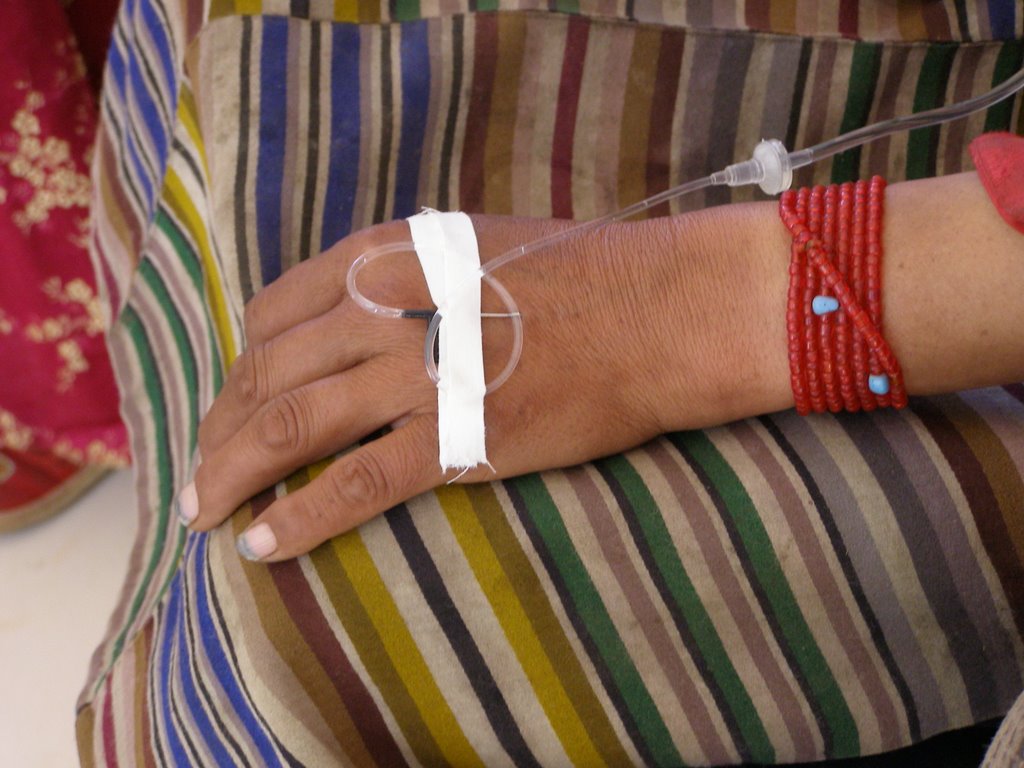
Interviewing a doctor or "amchi" at Jama clinic


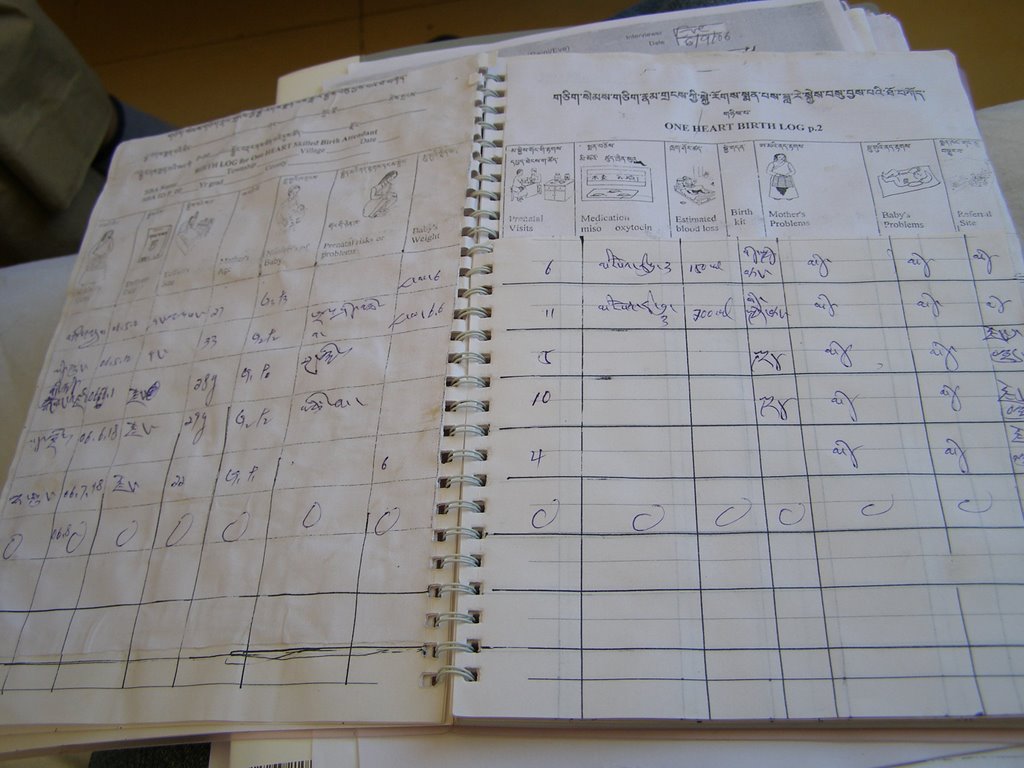
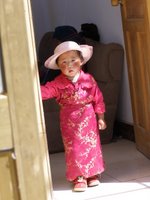
1. Birth log, 2. Girl in Jama clinic 3.Patient at Jama clinic
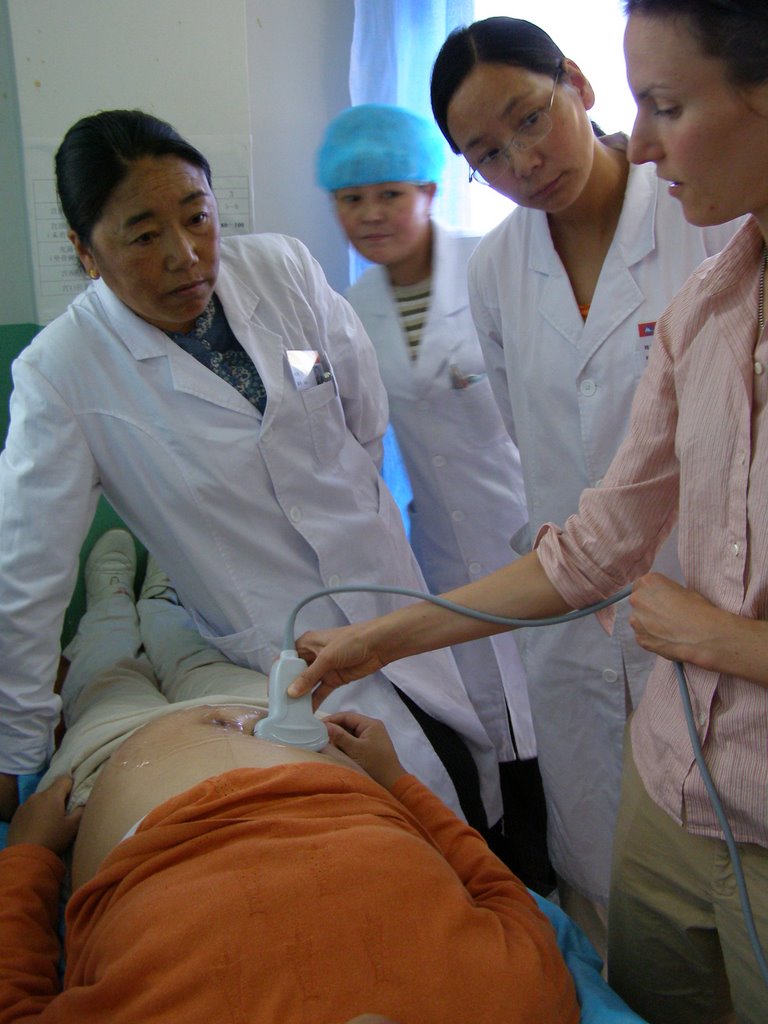
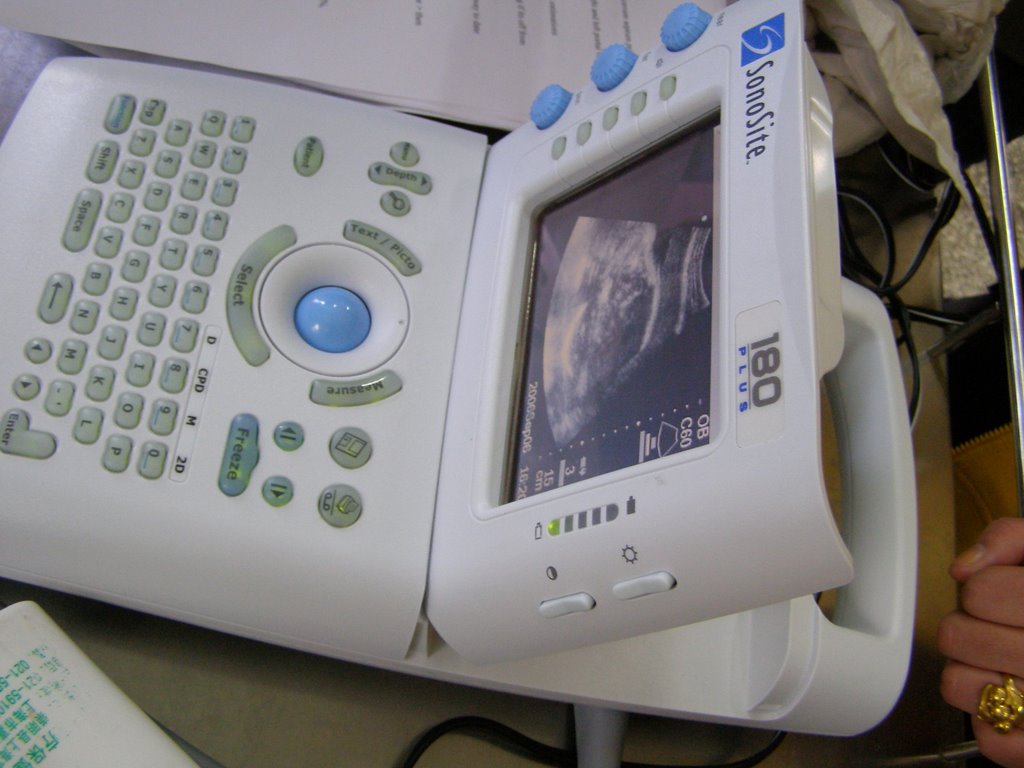
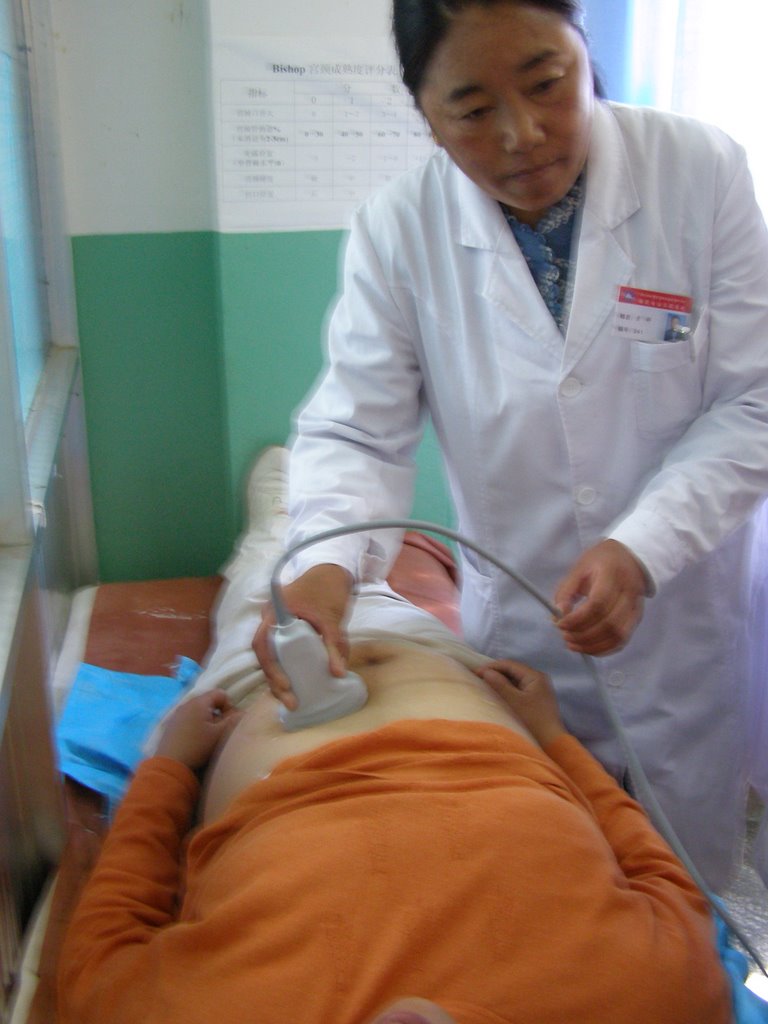
Ultrasound teaching


This week we outreached to various clinics in the rural areas of Tibet to assess how well the village and township (county) doctors or "amchi" benefited from the One Heart training. The goal of all this training is to reduce maternal and infant morbidity and mortality. For example the infant mortality is 10% in Tibet, double that of most developing countries. The US's is <1%.>

With this trip Reini and I have tried to create a survey to assess how and if they have benefited from the program and what can be done to further support them. It's been really interesting to interview the village and township doctors and see how incredible the teaching has benefited them. One village doctor told me before the training when she attended a delivery she would be very nervous and now she feels confident and able to handle the problems that might arise with a delivery. She loved the training. All of the doctors have really enjoyed the additional knowledge, equipment, and medications One Heart has provided. Its pretty inspirational to hear them talk and how a grass roots approach can really make a difference. It's the kind of thing as cheesy as it is, gives you chills when you hear them talk about the training benefits.

One afternoon I taught some of the MD doctors that act as preceptors to the village/town doctors when they do their clinical roations. They've just gotten an ultrasound (US) machine. I taught them some basics in US uses and technique. We had a lot of fun and they picked it up really quickly. They want me to come back to do another teaching installment. Some of the One Heart staff have taken on the task of translating the handout I've made into Chinese. We also scanned Reini's tummy and I showed them how to measure and date a fetus. Reini's sprout was a little over 4cm and squirming all around.

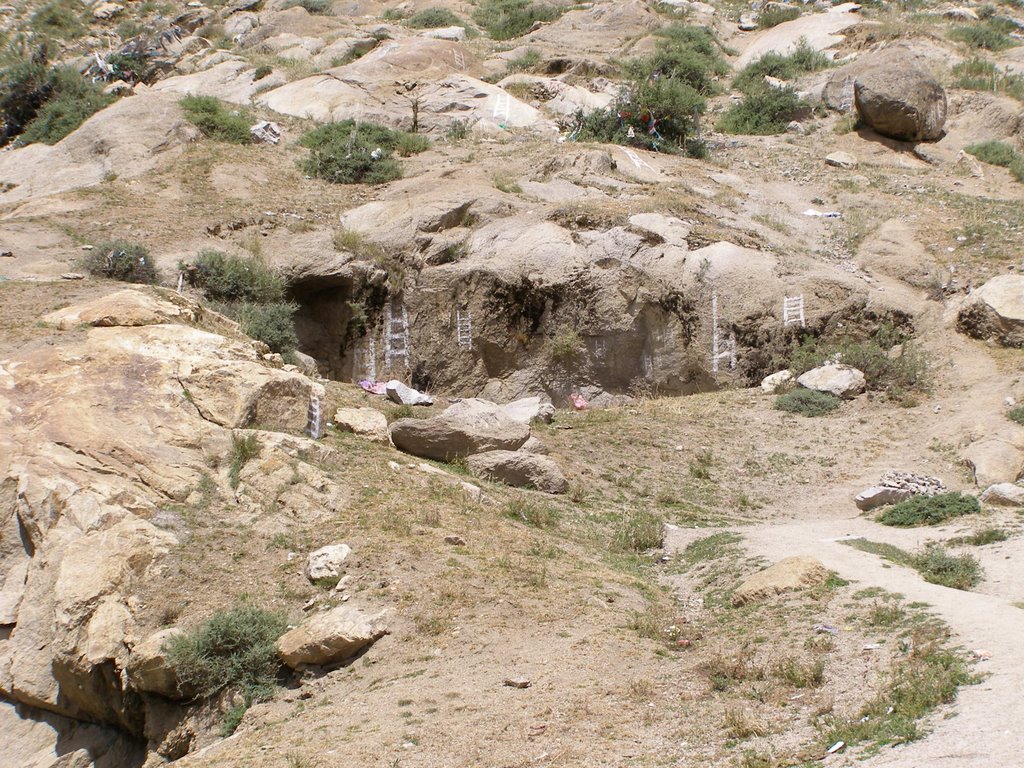
Sera Monastery Photos

I can't seem to put photos in with the last entry so here they are below


Friday, September 08, 2006

Sera Monastery

It's been hard to write when I'm done with work at the end of the day. We've been finishing on average around 8pm. So first I'll talk about what we did last weekend.
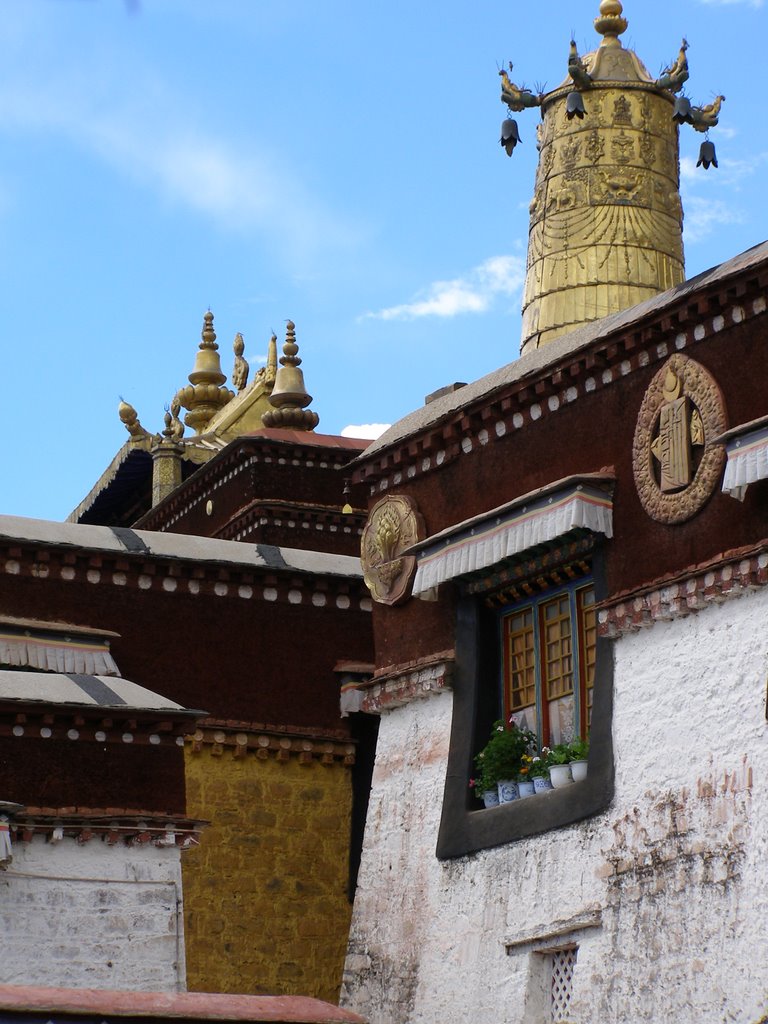
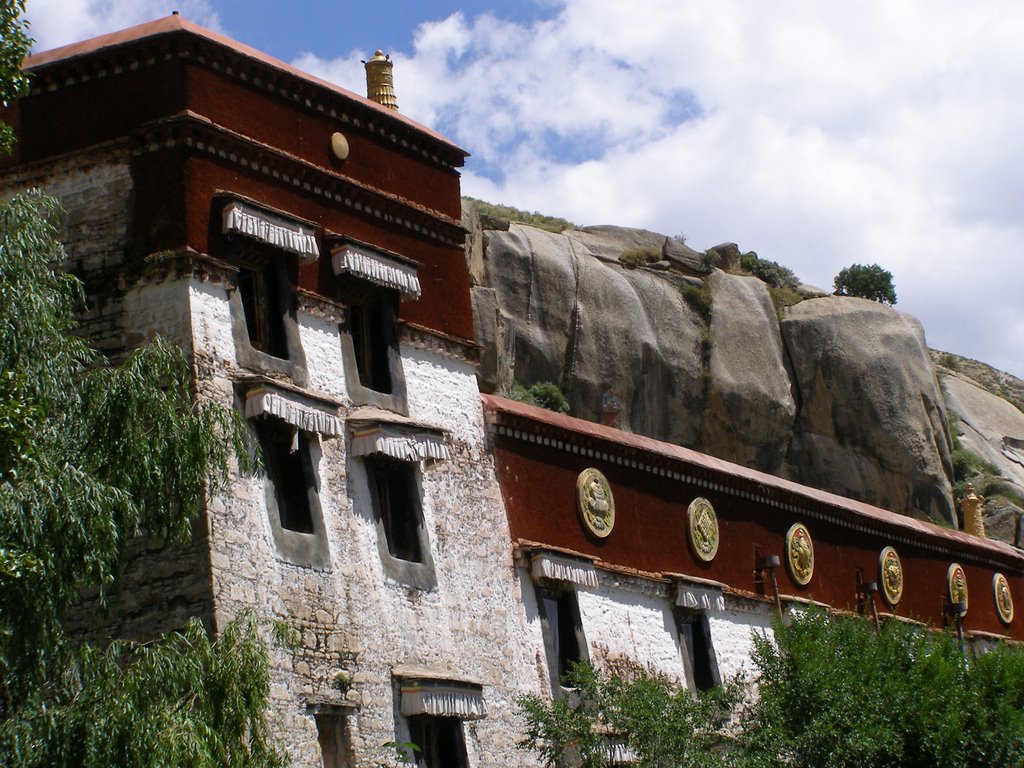
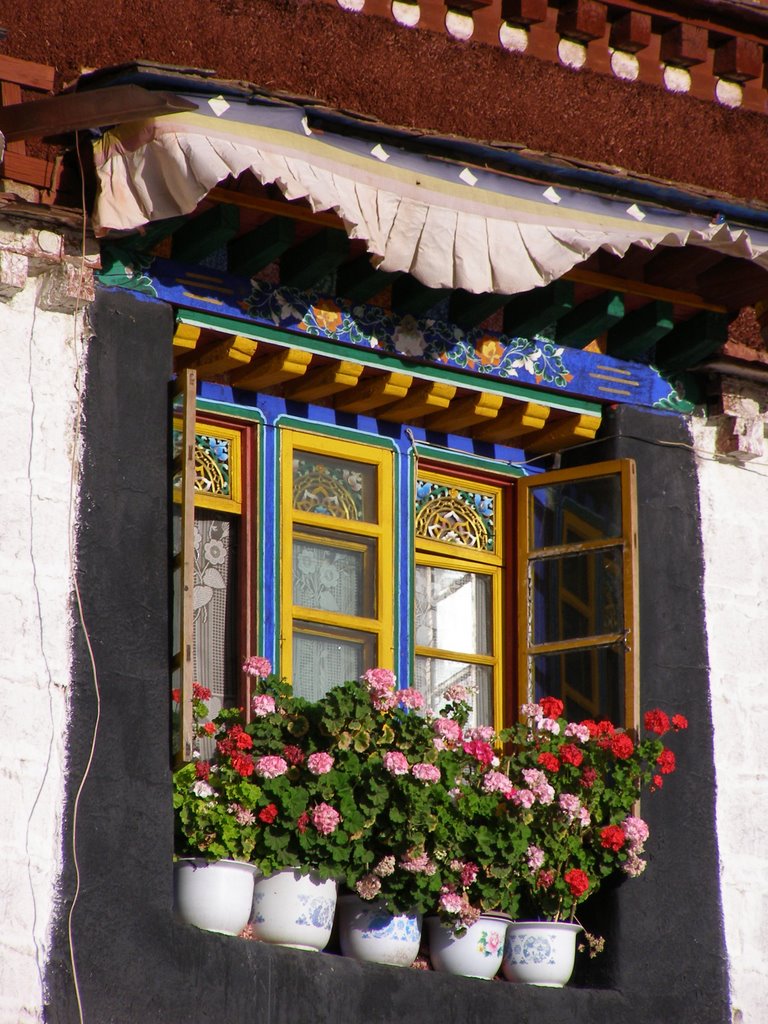
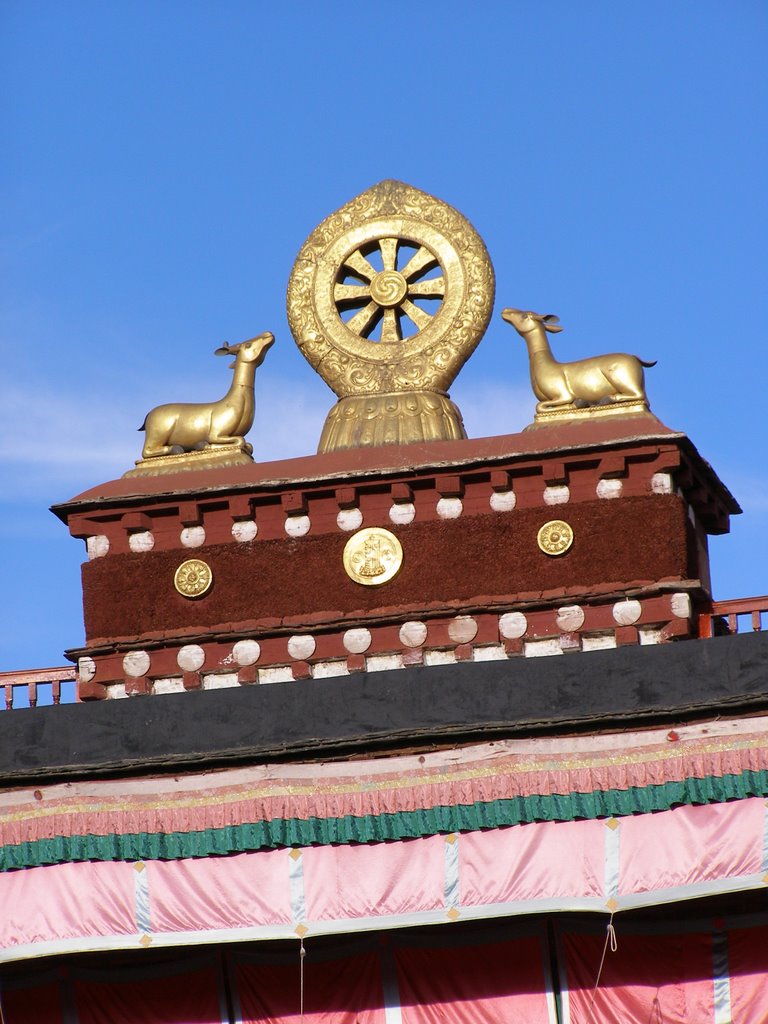
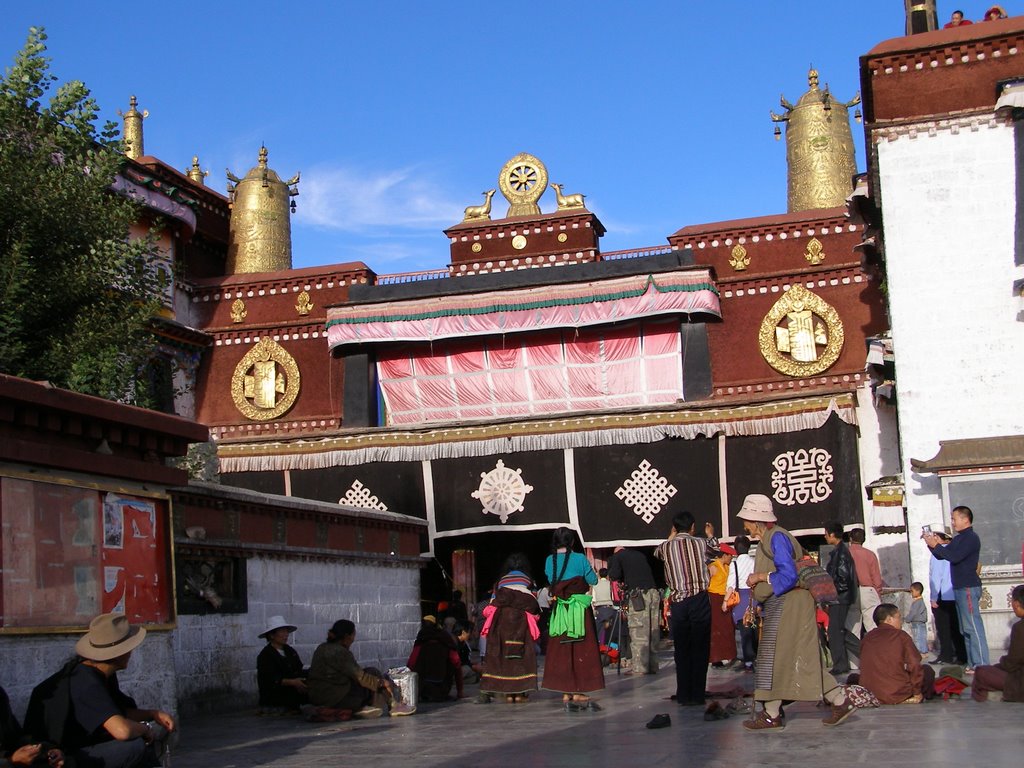
We headed up to the Sera monastary which is very famous in the world of Tibetan Buddhism. The Johkhang monastary in the center of the Tibetan quarters of Lhasa is the current center of Tibetan Buddism as I understand it and the Sera monastery is probably second in importance. The Sera monastery in its heyday had over 5,000 monks. It is located 4 minutes by bus outside of Lhasa. The pictures are there to see. There are many many fewer monks than the past. The monastary on close inspection is a bit delapidated however the views are incredible. We did the Kora (walk around the monastery) and it was amazing how winded i got at altitude.

Tibetan history is so complex and the things I heard about it before i came here and read about it are very different than the reality. Maybe it's so romanticized bc it was forbidden for westerners to enter for so many centuries and the current teachings we now hear from tibetan buddhism speak about peace and tolerance.

For one thing I always thought it was a very peaceful place because of Buddhism, etc. According to what I've read, prior to the chinese liberation it was a feudal society that was governed by the Lamas and a few wealthy landowners. Because Tibet had been closed off to foreigners, it was a technological throwback. Lhasa had open sewers, no glass windows, no electricity, etc. I can only imagine how cold the winters must have been with no covered windows and just a curtain covering the door and windows for protection. The wheel was used only for a prayer wheel and other than that it was not used as a means of transport according to lonely planet.

The society was a very punitive one and punishments were brutal. If the Lamas rules were not obeyed ie aiding a Westerner in the 1800s if they were secretly exploring the area then they were subject to death. Other common punishments were burning out the eyes with hot metal and cutting off hands. Westerners that did enter during the 1800s and early 1900s did report seeing many disfigured folks begging. The region was ruled with an iron fist if that's the right expression.

However Tibetan Buddhism is incredible and many of the messages of Buddhism are beautiful. They are tremendously religious people and their rituals pervade everything they do.

The Chinese presence is here. About 50% of Lhasa is Chinese and most of the stores are Chinese owned. The tourism industry is booming and there are far more Chinese tourists than western tourists. With the new railroad from Beijing to Tibet the projected tourism is expected to double to 2.5million visitors a year. So Tibet will be changing a lot over the next few years. The countryside however is still very traditional. As I will write about later on our site visits.

Saturday, September 02, 2006

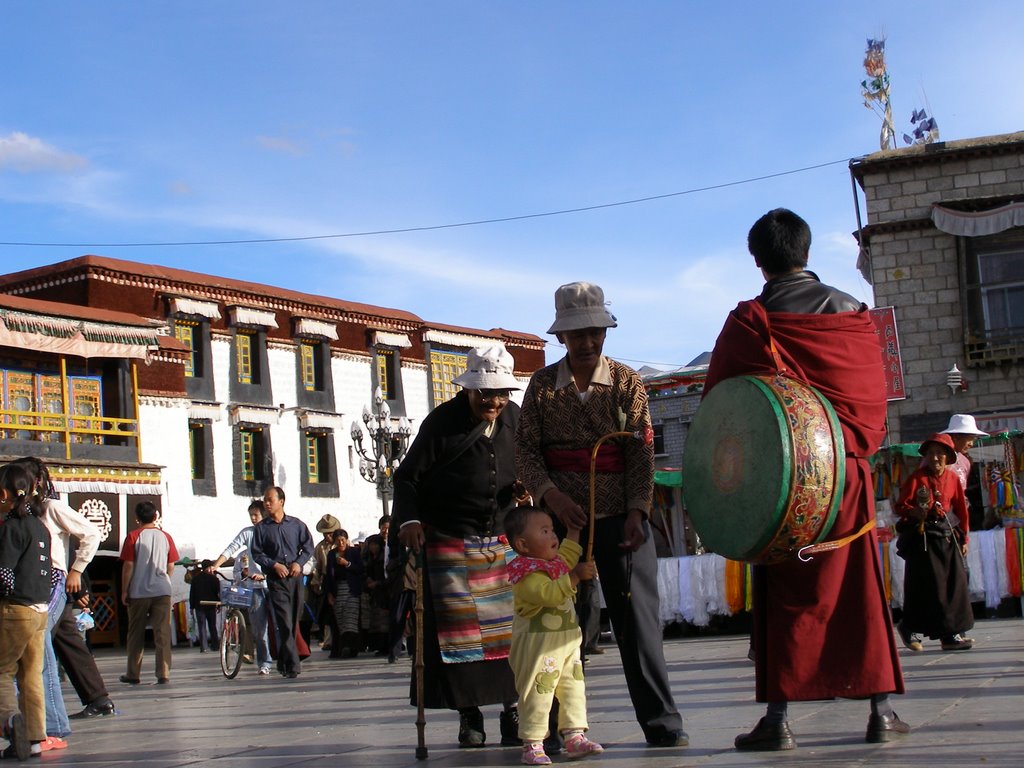
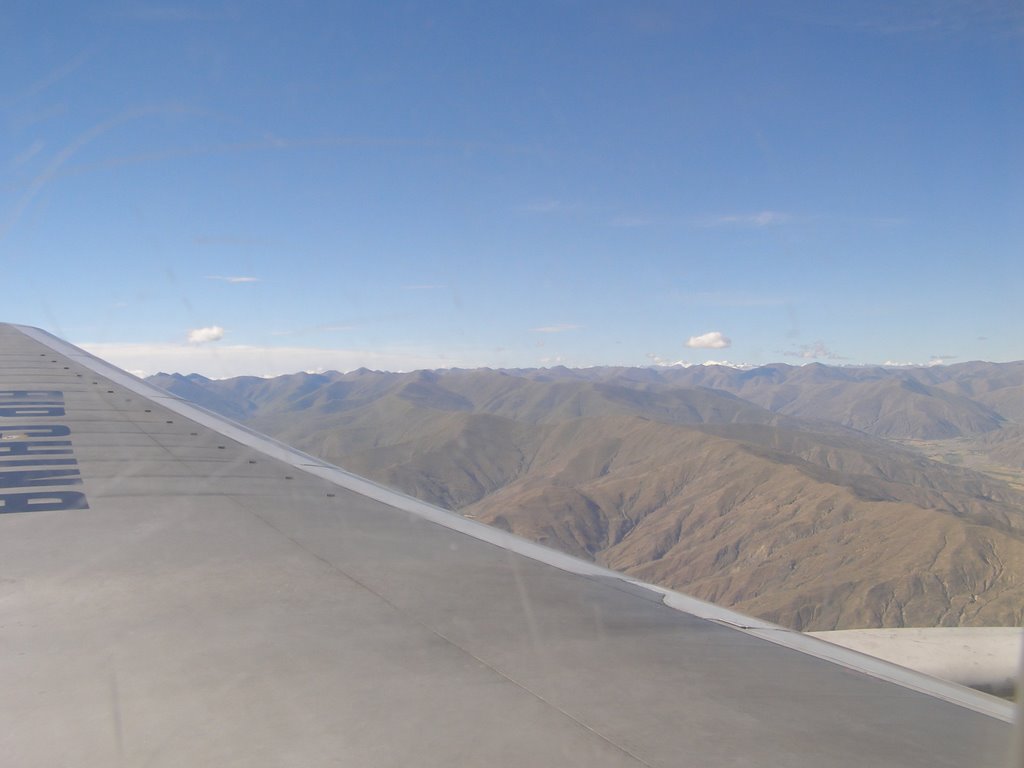
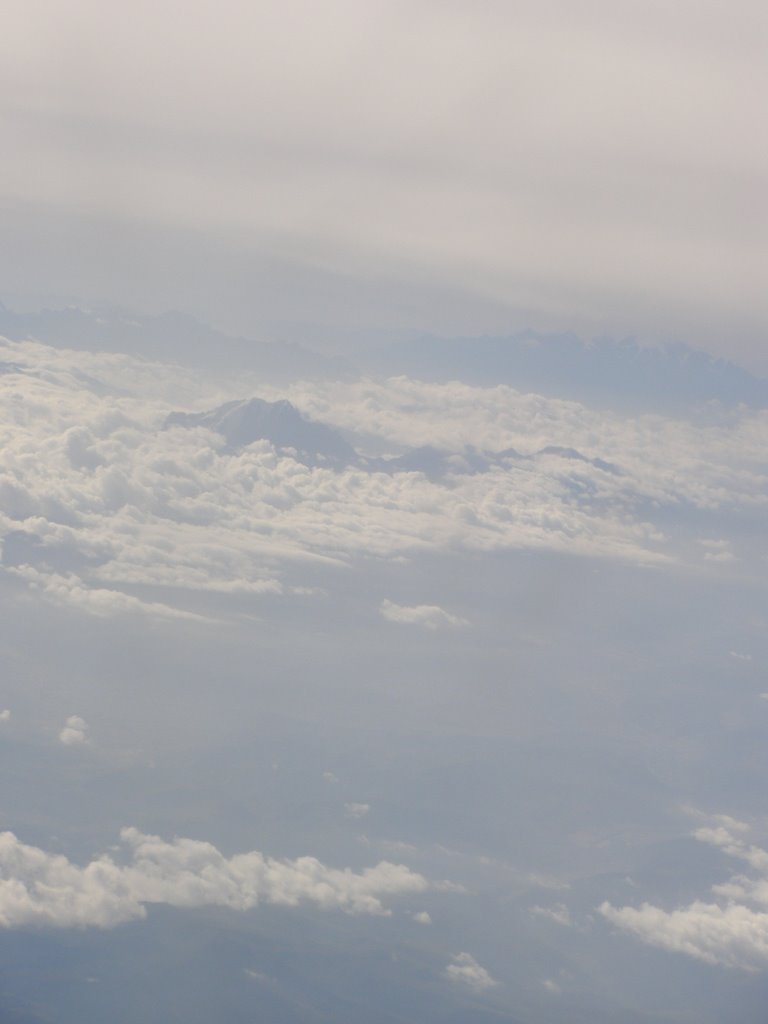
View from the Plane and Lhasa Folks Doing the Kora and Praying


Last night we wandered over to one of the main monastaries. Lhasa is a pilgrimage site and many folks make a kora and walk in a circle around the main monastary. Folks are in the traditional Tibetian dress and walk around with their prayer beads and prayer wheels. We had supper at a cafe on the roof so we could see folks doing the kora and also the surrounding mountainside. It is a bit difficult to communicate and not speaking any of the language is a bit embarassing but I'll learn a few phrases. Reini and I checked our oxygen saturation today as there is one in the office and it was 92% and 91% respectively, its normally is 100%, we feel fine.

There is a strong Chinese military presence here and we are monitored including all emails, etc... So please use caution in what you write back.

Time to do some work.

Friday, September 01, 2006


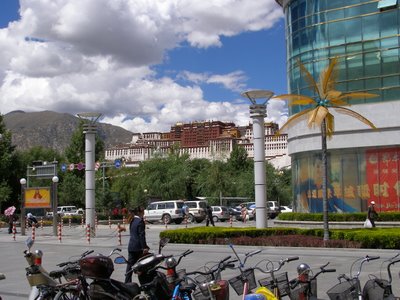
Photo caption: Potala palace now abandoned since 1956 & Chinese liberation

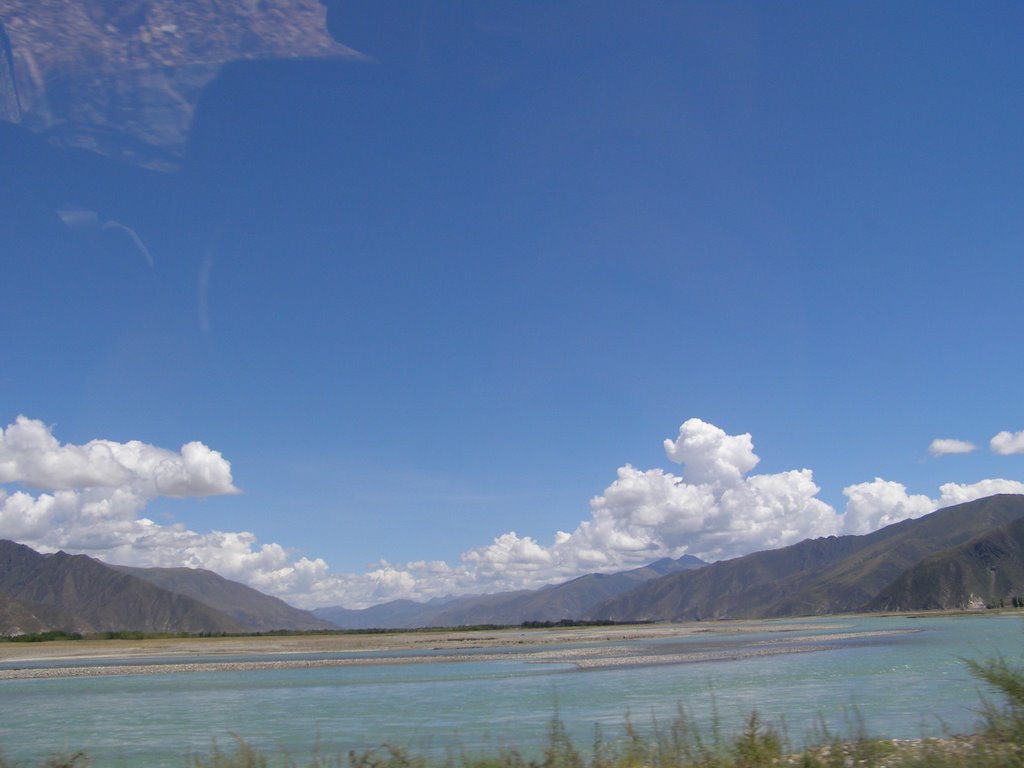
Reini and I arrived in China after a 14hour flight to Hong Kong and then took another flight to Chengdu in the Szechuan province where all the good food comes from. It was super hot and we visited an old and beautiful monastary and had lunch there. The next morning we headed to the airport again to head to Tibet.This is my first and Reini's third time. Tibet is beautiful and not like any other country I or Reini has been to. The mountains are so tall and barren. There isnt any snow on the lower peaks right now as its the end of the rainy season and summer. Lhasa is in the valley. The climate is a lot like San Francisco right now except sunnier.

We're working for an organization called onehearttibet.org which works to improve maternal child health issues with the Tibetans. There are several programs that they run and more details can be found on the website.

The light here is incredibly bright as the atmosphere is very thin, Lhasa is at approx 12000 feet and the lowest in the surrounding areas. We will be working out of Lhasa and travelling to outside counties. That is all for now